 Kalvie
Why I Practice Whole-Person Lactation Care
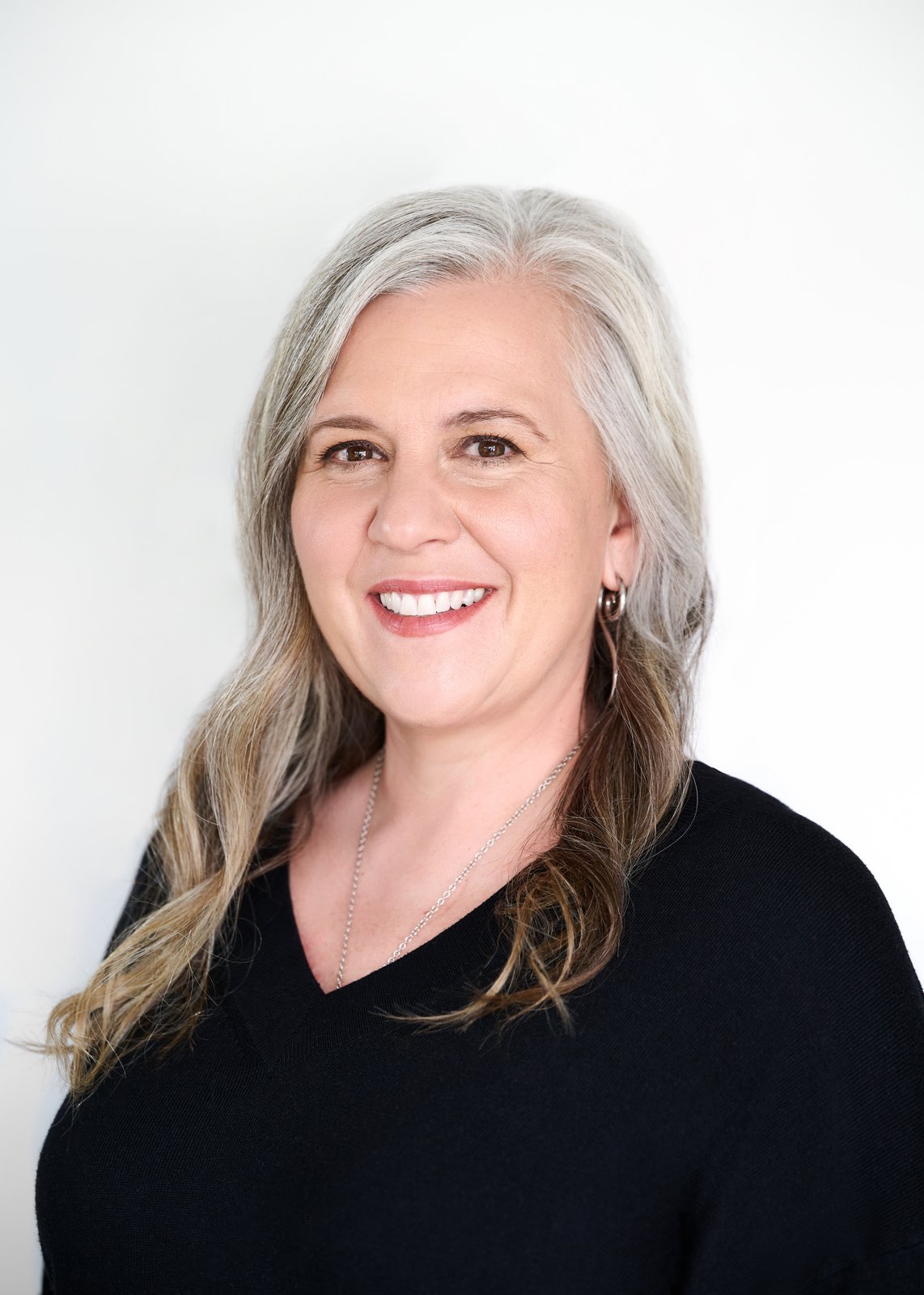
When a mom comes to me with a clogged duct, I don't just look at the breast. I ask about sleep. Stress. Birth experience. History of trauma.
Because in my experience, feeding challenges are almost always connected to the whole person. A mom who's running on 3 hours of sleep and carrying unprocessed birth trauma will have a harder time clearing a clog than one who's rested and supported.
This doesn't mean the physical care matters less — ice, rest, and gentle hand expression still come first. But it means we also address the nervous system underneath.
That's the approach I bring to every family I work with in Bend and beyond.
What "whole-person" actually means
Whole-person care means I don't treat a symptom in isolation. A clogged duct, a painful latch, a fussy baby at the breast — these are signals, not standalone problems. They're telling us something about the whole system: the body, the nervous system, the environment, and the story this family is carrying.
In a traditional model, you might get told "latch deeper" or "use this nipple cream" and be sent on your way. But if that mom is sleeping two hours a night, navigating a traumatic birth, and eating whatever she can hold while standing up, no amount of latch correction will stick until those underlying pieces are addressed.
Why the latch is rarely the whole story
Don't get me wrong — latch mechanics matter. A shallow latch causes pain, damage, and poor transfer. But here's what I see in my practice: when a mom comes in with "latch problems," there's almost always something else underneath.
Sometimes it's a tongue or lip tie that was missed. Sometimes it's tension in the baby's body from a difficult birth. Sometimes it's the mom's own nervous system — clenched jaw, shallow breathing, a body that hasn't felt safe since labor — and that tension transmits directly to the baby during feeding.
When I work with a family, we look at all of it. The latch. The baby's body. The mom's body. The birth story. The sleep. The support (or lack of it). And then we build a plan that addresses the whole picture, not just one piece.
Sleep isn't a luxury — it's clinical
I'll say it plainly: a mom who hasn't slept in six weeks cannot lactate well. It's not a matter of willpower. It's physiology.
Sleep deprivation raises cortisol, disrupts oxytocin release, and impairs the let-down reflex. It also makes everything feel harder — the 3am feed, the cluster feeding, the crying baby — which raises stress further, which makes sleep harder. It's a cycle, and it's one of the most common patterns I see in families struggling with feeding.
In a whole-person approach, we don't just say "sleep when the baby sleeps" (advice that's often impossible to follow). We look at the actual schedule. Who can help? Can feeds be shared? Is there a way to protect one longer stretch of sleep? Sometimes the most effective lactation intervention is a practical plan for rest.
The nervous system connection
As a Certified Trauma Specialist and HeartMath Clinician, I pay close attention to the nervous system. Here's why it matters for feeding:
Oxytocin — the hormone that drives let-down — is released when the nervous system feels safe. When a mom is in fight-or-flight (whether from a traumatic birth, postpartum anxiety, a scary NICU stay, or just chronic overwhelm), oxytocin release is inhibited. The milk is there, but the let-down doesn't come easily. Baby gets frustrated, mom gets stressed, and the cycle deepens.
This is why I incorporate nervous system regulation into lactation care. Simple breathing, grounding, and body-based techniques can make a measurable difference in let-down, milk flow, and the overall feeding experience. It's not "woo" — it's how the body works.
Birth trauma and feeding
Many families I work with are carrying birth trauma — sometimes they know it, sometimes they don't. A difficult labor, an unplanned cesarean, a scary moment with the baby, a provider who didn't listen — these experiences live in the body, and they can show up at the breast.
A mom who had a traumatic birth might feel tense during feeds. She might associate her body with fear or failure. She might have a hard time relaxing enough for let-down. And she might not connect these dots until someone points them out.
Whole-person care means creating space for this. Not therapy (unless that's what's needed — and I'll refer), but an awareness that feeding happens in a body that has a story. We honor that story, and we work with it, not against it.
What a whole-person consult looks like
If you're wondering what this actually looks like in practice, here's a rough outline of how I work:
1. The full picture. I ask about feeding, but also about birth, sleep, stress, support, and history. Nothing is "too much information."
2. A full feed observation. I watch a real feed — not a "performative" one — and look at latch, positioning, baby's body, and mom's comfort.
3. The physical work. Latch correction, positioning, tongue-tie screening, clogged duct care — all the clinical stuff still matters and comes first.
4. The nervous system. If there's tension, anxiety, or trauma in the picture, we add simple regulation tools that fit into real life (not a 20-minute meditation routine).
5. A written plan. You leave with something concrete — steps to try, things to watch for, and when to reach out again.
6. Follow-up. Feeding changes day to day. A plan that works on Tuesday might need adjusting by Friday. I check in, and you can always reach out.
The myth of "just feed the baby"
One of the most harmful myths in our culture is that breastfeeding should be simple — that if you just "do it right," it will work. This myth sets families up for guilt, shame, and silence when things are hard.
The truth is, feeding is complex. It involves anatomy, physiology, neurology, psychology, sociology, and context. It involves a baby who is learning and a body that is healing. It involves a family navigating one of the biggest transitions of their lives.
Whole-person care doesn't make it more complicated. It makes it more honest. It meets families where they actually are, with all the pieces of their story, and builds a plan that fits their real life.
If this resonates
If you've been told "it's just a latch issue" but something feels bigger — if you're exhausted, anxious, or carrying a birth that didn't go as planned — you're not imagining it. The whole picture matters, and you deserve care that sees all of you.
I work with families in Bend and across Central Oregon in-home, and by telehealth anywhere in the US. If you'd like to talk about what whole-person care could look like for your family, reach out.
Book a consult with Willow Merchant — she replies within 24 hours.
Book a consultMore from Willow Merchant
This page is for education only and is not medical advice. Always consult your healthcare provider.
Anthem Blue Cross, Cigna & HSA. Credentialing with most insurers.
© 2026 Willow Merchant, RN, IBCLC. All rights reserved. This site is for education only and is not medical advice. Always consult your healthcare provider for diagnosis and treatment.